
How Do Cardiologists Know What's Wrong With Your Heart?

Imagine you are a cardiologist...
Working within the emergency department...
A patient walks in, clutching their chest.
As the cardiologist, several possibilities immediately come to mind:
Is it heartburn?
A pulled muscle?
Or the beginning of a heart attack?
The method to answer those questions, can be found right here...
Now put on your detective glasses!
Let's discover how cardiologists solve the mystery together!
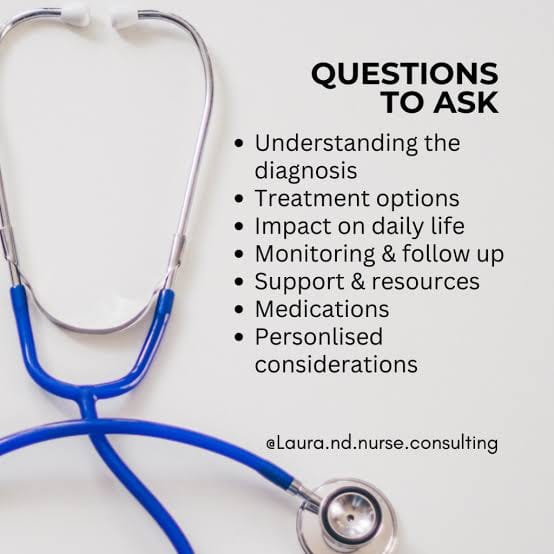
Every Diagnosis Starts With Questions
The first step cardiologists take towards saving a patient's life!
Within the space of medicine, a diagnosis doesn't begin with expensive machines, but rather with questions.
Some great examples of questions medics usually ask their patients are:
Where is the pain?
When did it start?
Does it spread to the jaw or towards the left arm?
What makes it worse?
Do you have any history with diabetes?
Do you have high blood pressure?
Does anyone in your family have a history of heart disease, diabetes, or high blood pressure?
These types of questions not only allow the medical professional to paint a better picture of their patient, but sometimes it can serve a great deal in helping to determine the causation of their pain or discomfort.
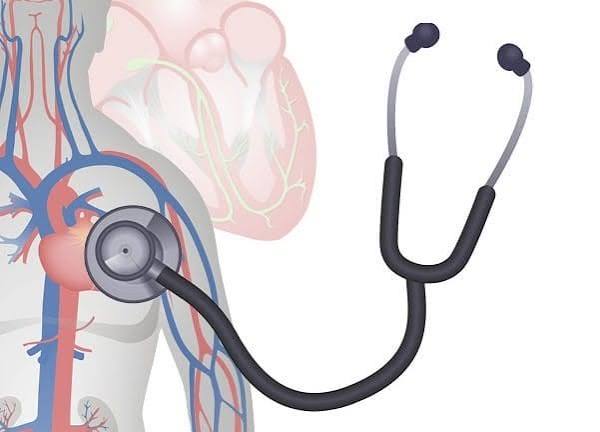
The Physical Exam
The second step in solving the mystery
The patient's answers have provided important clues, but words alone are not enough. The next step is a physical examination.
Within physical examination, cardiologists listen for heart murmurs, irregular rhythms, and extra heart sounds to try and identify anything outside the ordinary patterns of a healthy heart. They may also check blood pressure, pulse, swelling, skin color, and oxygen levels in order to see if the vitals of the patient have any correlation with the state of their heart.
Each clue helps build the picture, and the picture drastically helps in providing the correct method of care to a patient.
The Tests
The implementation of medical tools within the diagnosis process
The questions are answered, the patient was physically examined, and now the next step is to conduct the proper tests for a cardiologist to provide the best care possible towards the patient based upon newfound details discovered within these specified tests.
Among the many tests are the following:
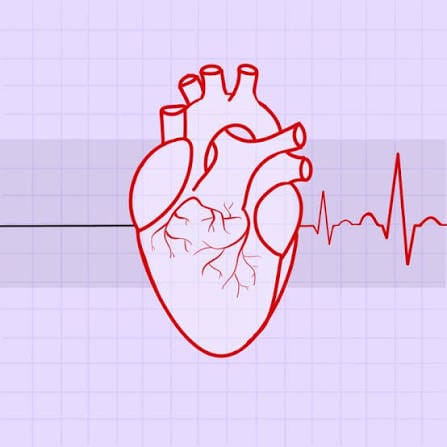
Electrical activity (ECG)
Indicates signs of heart attack, abnormal rhythm, and previous damage.
Blood tests
When the heart muscle is damaged, troponin leaks into the bloodstream, thereby this one tiny protein can reveal a heart attack via a blood test.
Echocardiogram
Shows the heart's valves, pumping strength, chambers, and blood flow.
The stress test
Shows how the heart behaves during exercise, most particularly useful as some problems only appear when the heart is working harder.
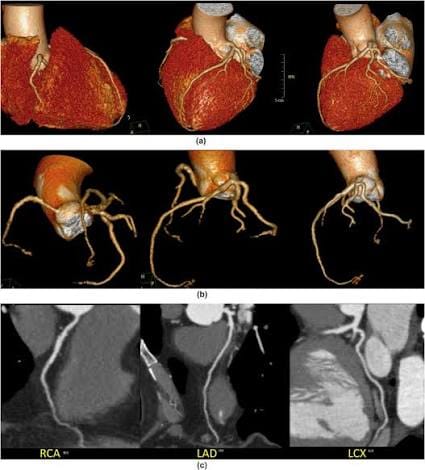
Artery analysis
Imaging can be done through coronary CT angiography or invasive coronary angiography. These two tests allow physicians to look directly at the coronary arteries for blockages. If a substantial blockage within the artery is found (such as a plaque buildup within a coronary artery) it can provide a crucial piece of evidence that aids medics drastically in determining the underlying cause of a patient's cardiovascular issue.
If you enjoyed my article, have advice on my first issue, or have any other thoughts to share, it would me so much to me if you could share it with me advice in the comments below 😄!
ALSO, IF YOU ARE ENJOYING PLEASE HELP US OUT BY SUBSCRIBING WITH THIS BUTTON
A Key Takeaway
So what does this tell us about cardiology in a general aspect?
Now you know the various methods and questions utilized for a cardiologist to determine the root cause and issue of a patient! Cardiologists rarely rely on a single test. Instead, they combine the patient's story, the physical exam, laboratory results, and imaging to build the most accurate diagnosis possible.
Medicine isn't guesswork, but rather a synthesis of scientific evidence, technology, and clinical experience to reach the most accurate diagnosis possible.
Every heartbeat tells a story.
The job of a cardiologist is learning how to read it.
In fact, that is how nearly all of medical diagnoses work:
They're all detective work backed by science.
Read about the author David Saleh and his mission to ignite a fire of passion for all readers!
Member discussion