
GE Aerospace’s Hybrid-Electric Engine Takes Flight
A Major Step Toward More Efficient Air Travel
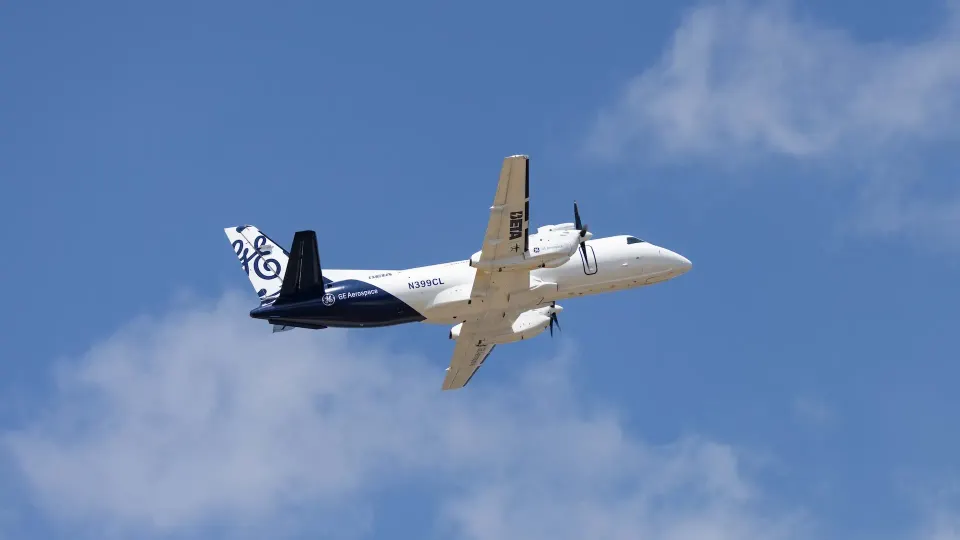
As engineers come up with new ways to reduce the amount of fuel airplanes use, the aviation industry is heading for a more efficient future. Among the latest advances is the development of hybrid-electric propulsion for aircraft. GE Aerospace and its partners recently conducted a test of a hybrid-electric propulsion system at an altitude of more than 30,000 feet. This was a major achievement as commercial aircraft often operate at similar altitudes.
How Does Hybrid-Electric Propulsion Work?
Hybrid-electric planes combine conventional jet engines with electric motors and other electrical components. It’s like a hybrid car, with a gasoline engine and an electric motor. Electricity is not going to replace jet fuel entirely, but it can boost the aircraft’s engine and give it more power when needed.” This could lead to airplanes that are more fuel efficient and use less fuel.
The Engineering Challenges
It’s been difficult to design electric airplanes because the batteries we have today are simply too heavy to power big passenger planes to go long distances. Hybrid-electric technology is the combination of the range and power of traditional jet engines with the efficiency of electric power, a combination that could solve this problem. Engineers are also tackling the weight of batteries, cooling systems and safety.
Testing Technology at High Altitudes
The high-altitude test was particularly significant, because engineers need to know how the technology behaves under real flight conditions. High altitude presents unique challenges for electrical systems because airplanes are exposed to very cold temperatures and lower air pressure. Engineers will use the data collected during the test of the hybrid-electric propulsion system under these conditions to design future aircraft.
What Could the Future Look Like?
This breakthrough is a showcase of the way engineering is defining the future of transportation. Hybrid-electric aircraft aren’t going to replace commercial aircraft overnight, but ongoing testing could eventually lead to them becoming viable options for future air travel. Hybrid electric propulsion is a significant step towards more efficient aviation and the future airplanes may combine several different technologies for long distance travel with less fuel.
Member discussion