
The Material That Can Remember Heat: A New Engineering Breakthrough
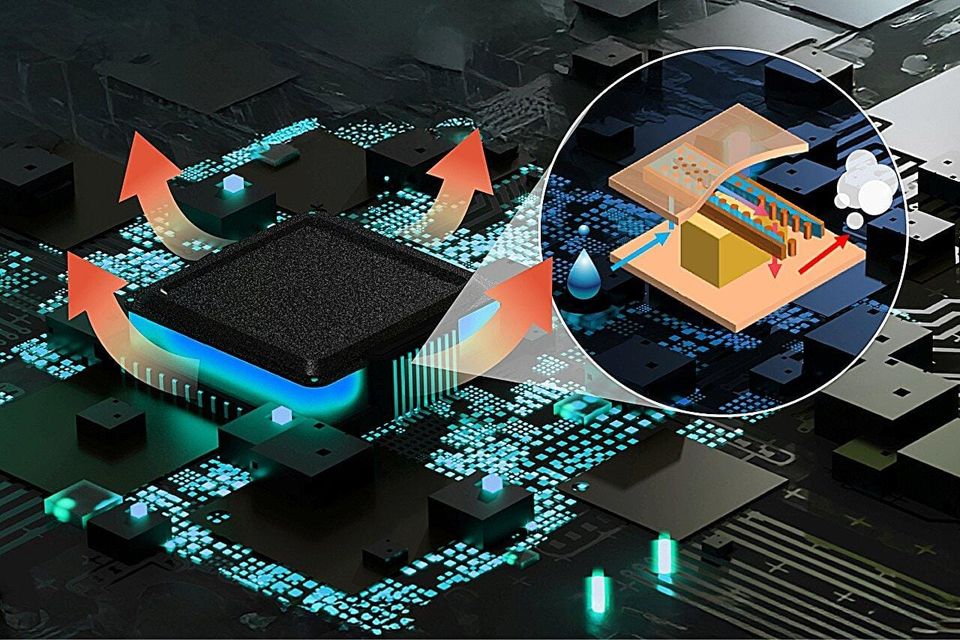
Envision a material that is capable of regulating thermal energy, changing the thermal properties, and maintaining the configuration even when electrical energy supply is stopped. Scientists from Osaka Metropolitan University are striving to develop this technology. This innovative product will be useful for engineers trying to tackle the challenge associated with modern technology – heat management in high-powered electronic devices.
The processors of computers and AI machines get faster and hotter as computers and AI machines evolve. The AI data center comprises thousands of very fast computers. It is very costly to keep such machines cool. Researchers are searching for better ways of managing heat.
The newly developed technology makes use of a programmable material that regulates heat radiation. It enables the engineers to control the flow of heat instead of letting the heat energy transfer in a natural way. Heat can now be managed and directed away from certain parts.
Applications of this innovation are not limited only to cooling computers. Programmed thermal materials can be used in infrared detectors, sophisticated electronic equipment, and photonic technology. It is very useful for these innovations to have better control over heat and thermal radiation. It will allow developing even more compact electronic systems.
This technology would prove particularly useful as AI evolves. Contemporary systems require a lot of computing power, which generates much heat. More efficient methods for handling this heat may be found in the future, and consequently, future data centers that run AI algorithms will not use so much energy for cooling purposes.
Nevertheless, the technology is still at the experimental stage of development. The material needs to be tested and developed further by scientists to learn how it should be produced and implemented in devices. It will likely take several years for programmable thermal materials to start being used commercially.
This is a promising area that will be key for the future of engineering. No longer are engineers just looking to make more efficient computers and machines; now they are creating new smart materials that will be able to react to their environment and do different things. Heat-controlling and heat-retaining material may soon be a key component of the next wave of technology.
The future of engineering could be much more than designing smart devices; it could be also about designing smart materials. As technology becomes more advanced, managing heat is going to be a crucial task. Programming thermal materials would be one additional tool that engineers can use when designing computers, sensors, and energy systems.

Member discussion